

Hard Light, No Mercy: Why I Carry a Magnum Reflector Around London
My Lighting Weapon of Choice: The PixaPro Magnum Reflector
Ever since I picked up the PixaPro Magnum reflector, my flash work has changed completely. My kit has become heavier, dragging it around has been a pain, but it has been worth every bit of the hassle.
Most people, understandably, reach for a softbox in some shape or form. They are reliable, predictable, and forgiving. I never wanted to do what everyone else was doing with their flash work. I like hard light, with that touch of specularity that a softbox is specifically designed to remove. I love it in the food work I do, watching it make beef, cheese, and even a burger bun glow under it. And I love what it does for skin: it shows every single flaw, raw and unfiltered. There is nowhere to run and nowhere to hide with a Magnum, and that is exactly why I love it.
The Hard Light Trade-Off
A PixaPro Magnum reflector, officially the PIXAPRO® Magnum High Quality Reflector with Bowens S-Type fitting, is a hard light modifier by design. It produces intense, even lighting with a gradual falloff rather than the soft wraparound light a softbox gives you. The parabolic shape focuses light far more efficiently than a standard reflector, which is why you can gain roughly two stops of effective output over a typical dish. That efficiency is the whole appeal. It lets you pull the light back further from the subject or squeeze more punch out of a smaller flash head than you'd otherwise get.
The trade-off is control and forgiveness. A softbox flatters by spreading and softening. A Magnum does the opposite. It carves. It is built for accentuating bone structure, texture, and detail, which makes it brilliant for portraiture with real edge to it, dramatic food work, and anything where you want the image to feel sculpted rather than gently lit. It is also, by the same logic, completely unforgiving of anything you don't want shown. That is the point. You don't reach for a Magnum because you want to be kind to a subject. You reach for it because you want the truth of the light to do the work.
Carrying It Is the Real Cost
They are slightly annoying to carry around. I might be the only photographer in London, possibly the world, who has figured out a way to move one safely through the city, even if it announces itself the entire time.
Manfrotto has an attachment that comes free with all Manfrotto Tough 55 hard cases, which lets me carry one light stand strapped to the case. It could be better, but for something that was effectively free, I can't complain. With that stand fitted, I slide the PixaPro Magnum through the Bowens fitting where the light head would normally sit, and it just rests there. The upside is huge: you can actually move a Magnum reflector around a city on foot. The downside is that the moment you hit rough terrain, and with a Tough 55 hard case, almost everything counts as rough terrain, you get a full symphony of clanging. It is a genuinely horrible sound, and I have yet to find a decent fix for it. For now, it works, and that has to be enough.
What's Actually Powering It
The images below, taken over the past year, come from a Godox AD300 Pro fired through the PixaPro Magnum reflector via a Godox speedlite bracket (I'd recommend the S2 or the newer S3 over the older S1, since their modular design supports both rectangular and circular flash heads, whereas the S1 doesn't), shot on either the Nikon Z6II or Nikon Z8. A few also had a Godox V1 Pro working alongside it as fill, when the scene needed something to soften the shadow side without touching the hard quality of the key light itself.
The kit:
- PixaPro Magnum Reflector
- Godox AD300 Pro
- Godox Speedlite S2
- Godox V1 Pro
- Godox X3 Pro
- Nikon Z8 / Nikon Z6II
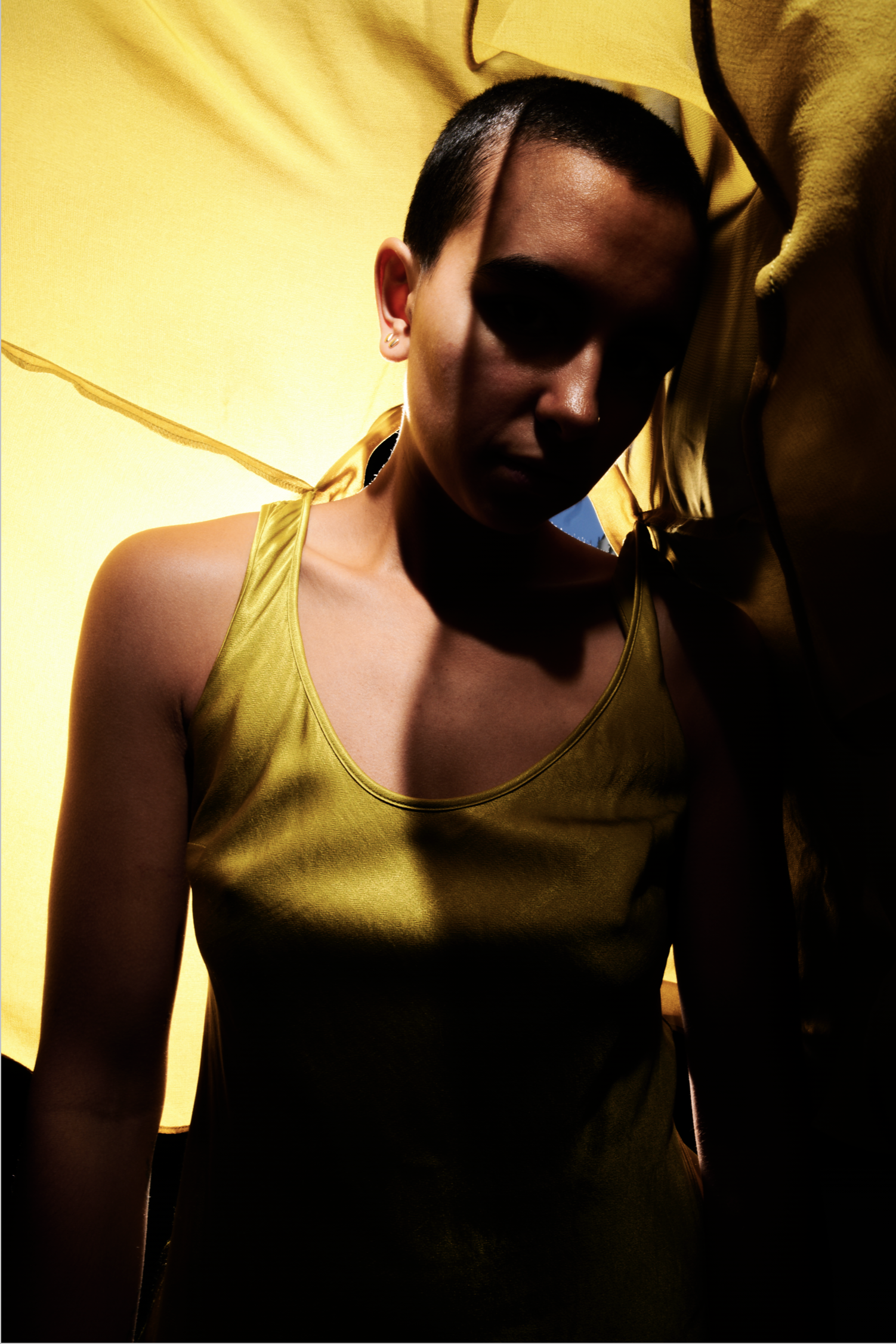

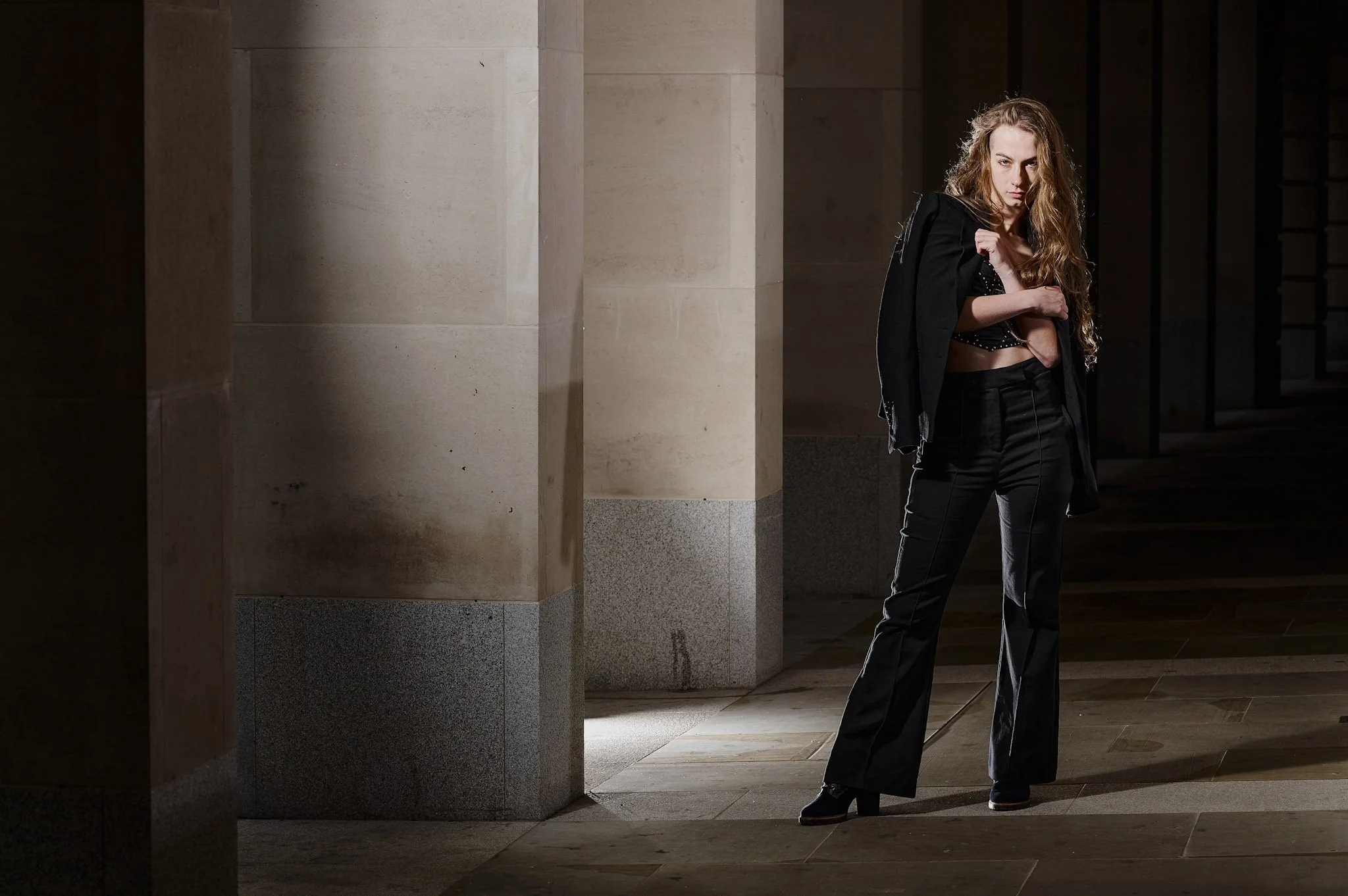

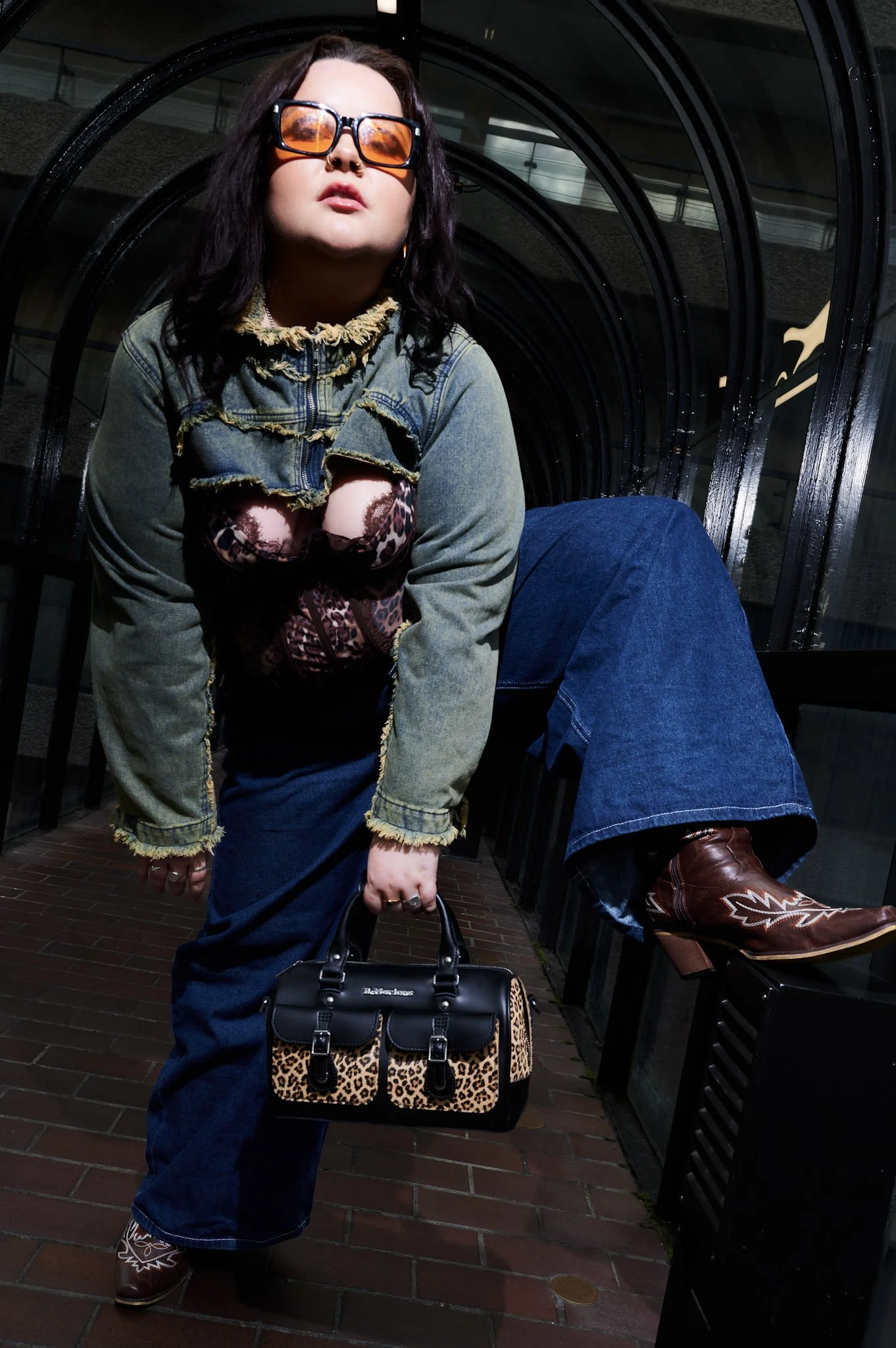
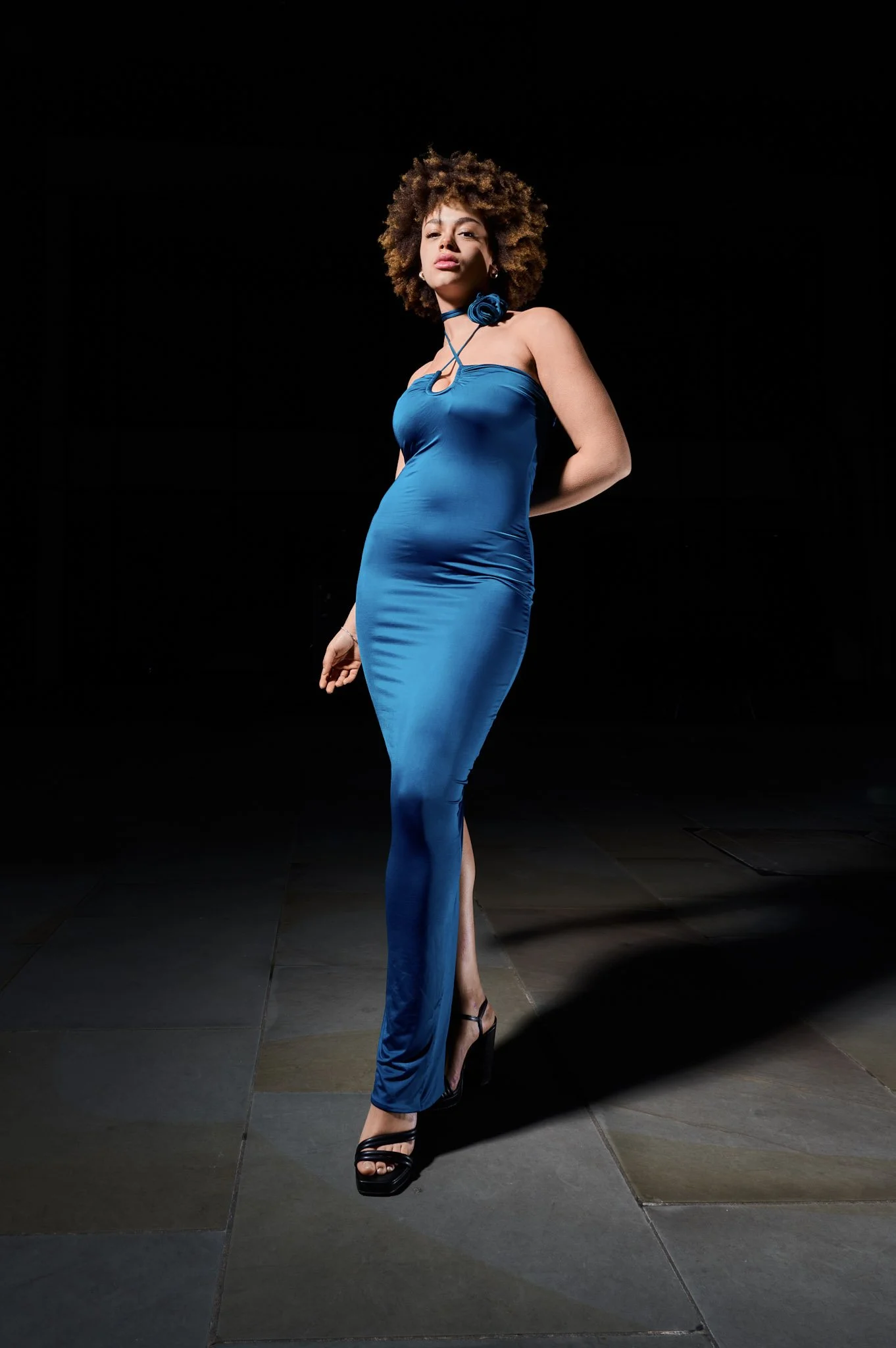
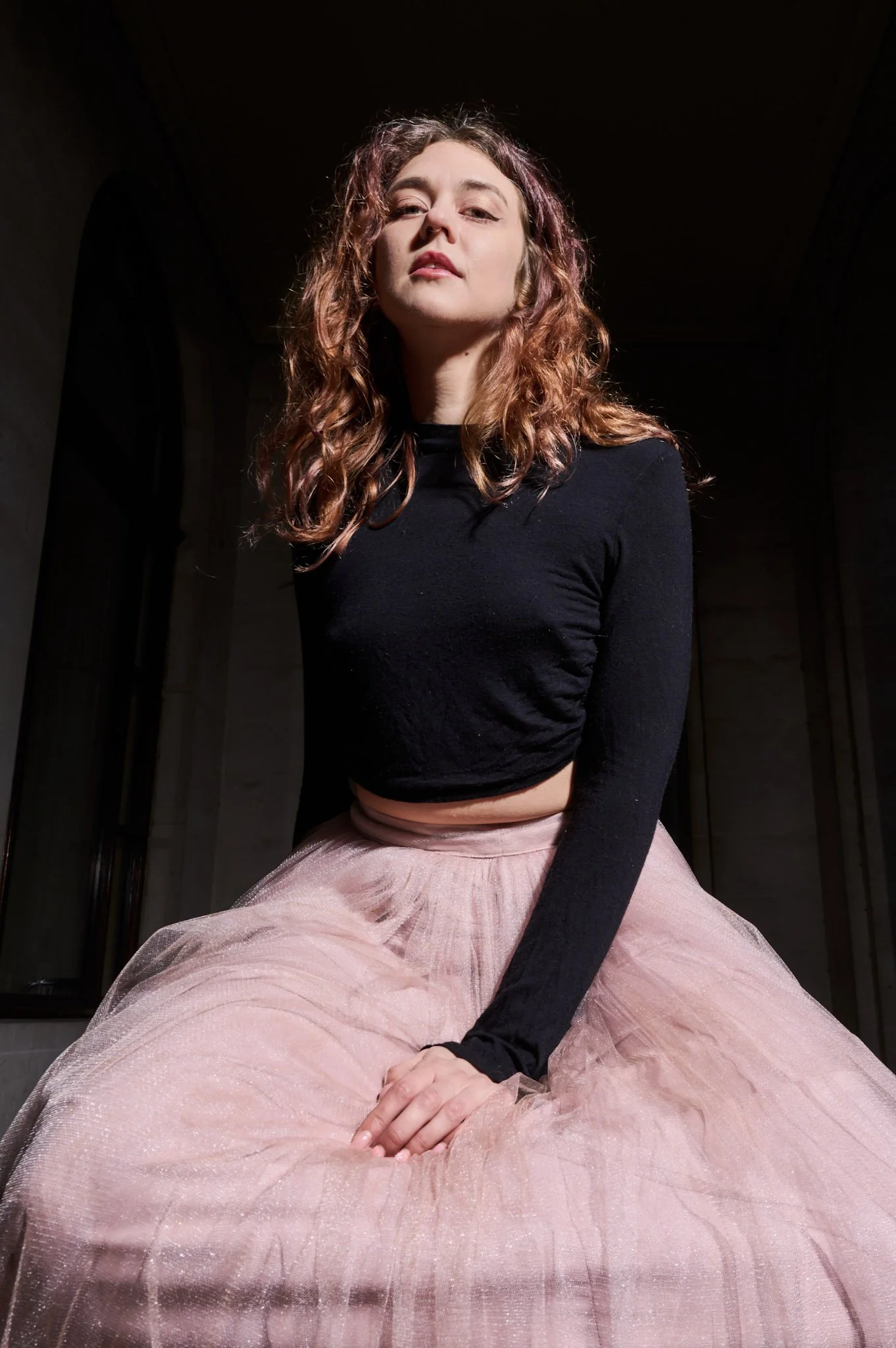

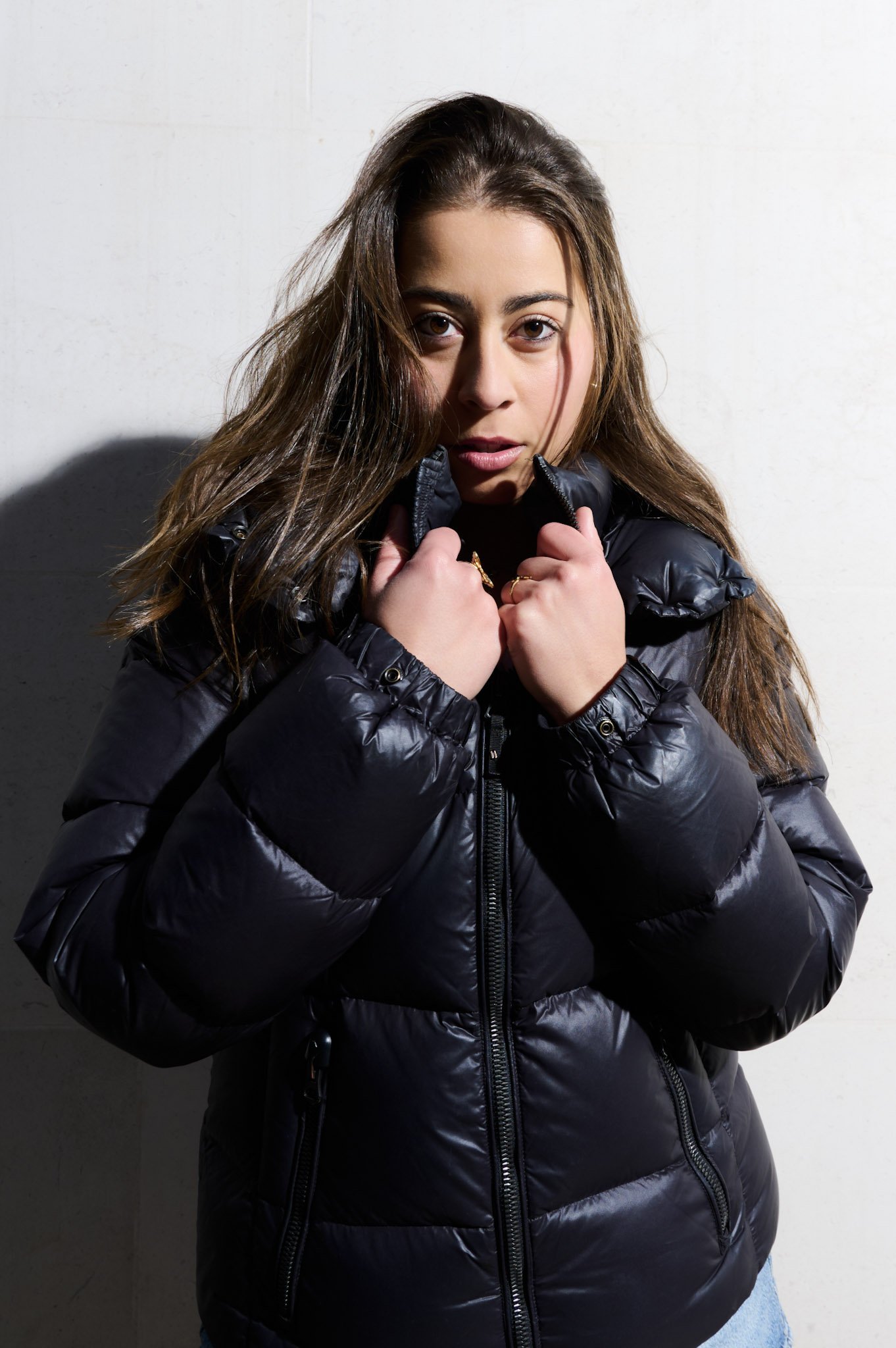
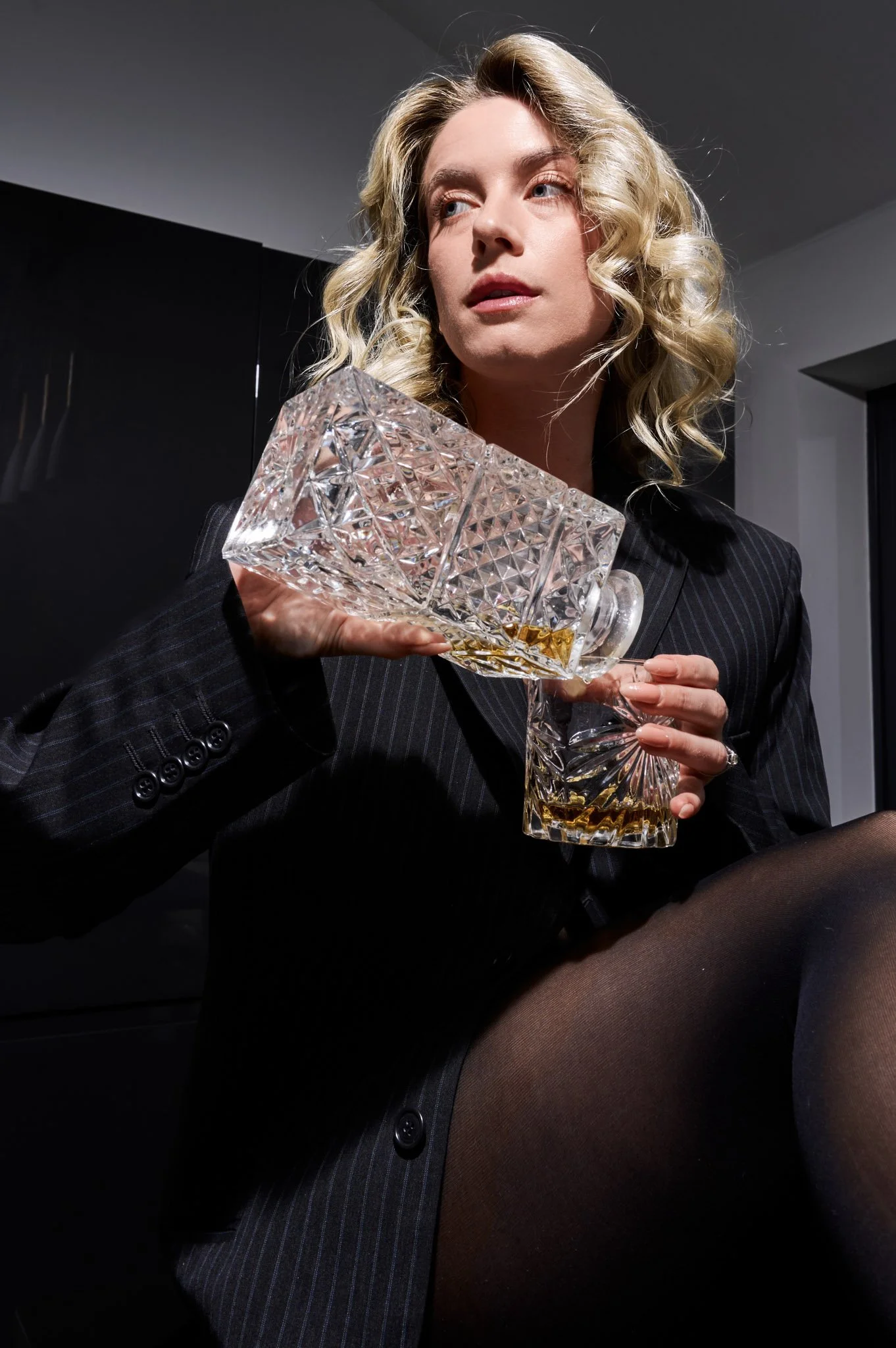

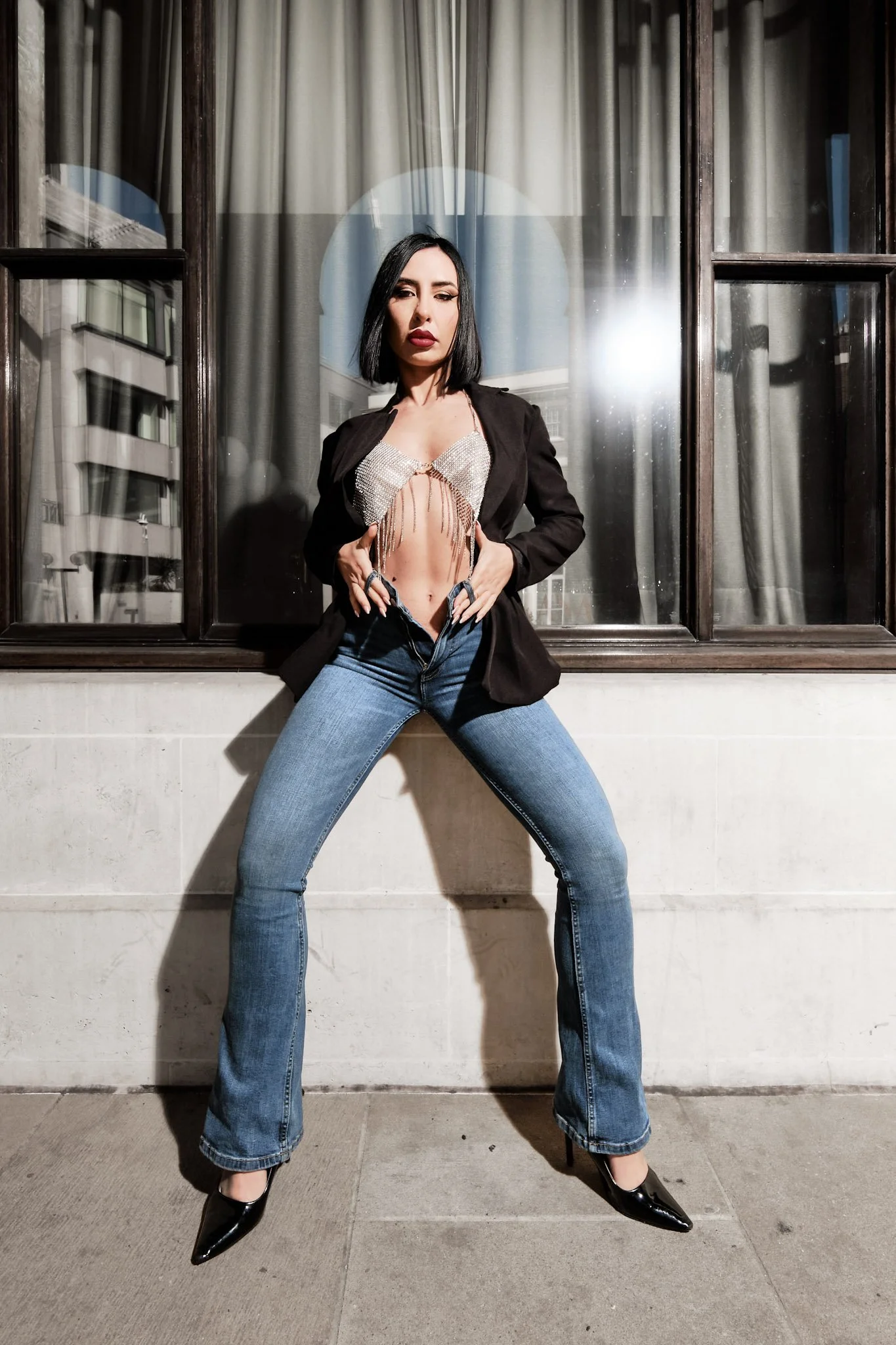
It's Not Just One Trick
People hear "hard light" and assume that means one fixed look, but the PixaPro Magnum has more range in it than it gets credit for. Just because it's hard doesn't mean it can't be soft. Distance does that work for you. Pull it back and the spread widens, the light gentles out, and you get something closer to a softer wraparound quality without losing the character underneath it. Push it in close and you get the opposite: a tighter, harder pool of light, which is exactly why I tend to shoot with it close up, letting the background fall into darkness around the subject rather than fighting to fill it.
It's also one of the best backlights I own. Used behind a subject, it rims and separates them from the background in a way a softbox just can't match, and I genuinely don't mind catching it in the reflection of glass when it happens. It reads as intentional, not as a mistake to clean up in post. That's part of what makes it such a flexible tool once you stop treating it as a single-setting modifier and start using distance, angle, and placement to pull different qualities of light out of the same piece of kit.
You Have to Be a Little Mad to Choose This
Look, I think you need to be a bit mad to do what I've chosen to do here. Most people, logically, choose the softbox. They want their subjects to have nice skin, soft edges, all that jazz. It's easier to carry, it's cheaper, and it's far more forgiving on a bad day. I want to literally expose people, to see everything. Not just the face, but the whole body and the space around it. The Magnum is my weapon of choice, and it's one that very few photographers dare to pick up.
FAQ
What is a PixaPro Magnum reflector actually for? It's a hard light modifier, built to produce intense, even lighting with a gradual falloff rather than the soft, wraparound quality of a softbox or umbrella. It's commonly used for portraiture with strong contrast, fashion and beauty work that wants texture rather than smoothness, and product or food photography where you want surfaces to read with real specularity.
Does the PixaPro Magnum reflector fit any flash head? This particular version uses a Bowens S-Type fitting, so it's compatible with any flash or strobe using that mount directly. If you're running it off a Godox AD300 Pro specifically, you'll need a Godox speedlite bracket to get onto the Bowens fitting, in which case go for the S2 or the newer S3 rather than the S1, since their modular design supports both rectangular and circular flash heads and the S1 doesn't. It's designed for bare bulb use rather than a Fresnel head.
Is hard light harder to work with than a softbox? Yes, genuinely. A softbox is more forgiving of skin texture, blemishes, and uneven surfaces because it spreads and softens shadow edges. A Magnum does the opposite: it sharpens detail and holds onto shadow, which means lighting placement, distance, and subject prep all matter far more than they would with a softer source.
Why use a PixaPro Magnum instead of a standard reflector? Efficiency and shape. The Magnum's parabolic design focuses light more effectively than a standard dish, giving you roughly two stops more output. That means more flexibility on distance and power without sacrificing the hard quality of light.
If you want portraits or commercial work shot with this kind of intentional, unforgiving light, get in touch about a commission.